axionMultiPhysics
axionMultiPhysics is a finite-element package for electromagnetics, structural mechanics, heat conduction, fluid flow and electrochemistry, with a Python interface, a command line and an interactive field viewer. We built it to design axion dark-matter experiments, which include lumped-element detectors, cavity haloscopes and SRF heterodyne cavities, and it has dedicated tools for them. The solvers themselves are general. Axisymmetric geometries are drawn from polygons, arcs and boolean combinations; 3D geometries from primitives, revolved or extruded profiles and imported CAD (STEP) solids. The same code applies to magnets, superconducting devices, RF structures and resonators in other settings.
What it solves
- Magnetostatics and magnetoquasistatics: superconducting, resistive and iron-core magnets and shields; fields, inductances and forces, with exact open boundaries.
- Full-wave electromagnetics: impedances and S-parameters (Touchstone export), radiation losses, eigenmodes and self-resonances.
- Superconductors: ideal superconductors with flux or current constraints, critical surfaces of NbTi, Nb₃Sn and REBCO, and the HTS critical state.
- Electrostatics: capacitance matrices.
- Circuits: networks with the noise of every element, and multiport networks from field solutions.
- Mechanics and heat: stresses from Lorentz forces and cooldown, and steady heat conduction with a temperature-dependent conductivity.
- Shape sensitivities and optimization: adjoint gradients, with local, global and derivative-free optimizers.
- Fluids (beta): Stokes and Navier–Stokes flow, steady and transient, inductionless MHD, and heat transport with natural convection.
- Electrochemistry (beta): stiff chemical kinetics, reactors, and current distributions in electrolytes.
- Model documents (beta): one physics-based input format for fluids, heat, electrochemistry and coupled physics, with a physics catalogue, validation,
axmp explain,axmp patchand a JSON Schema; planar and axisymmetric documents are meshed with named boundaries, and the meshes can be handed to the fluids and chemistry engines. Solving a model document is not available yet. - Export to Geant4 and particle transport (beta): field maps of solved designs, solids and GDML of axisymmetric and 3D designs, and particle transport in
axmp-transport, a separate Geant4 program built on request, through the solids and the field map of a design.
Axisymmetric problems run on one machine; 3D problems use MPI.
Walkthroughs
- Lumped-element detectors: magnets, pickup circuits, and scan sensitivity.
- dc SQUID readout chains (beta): amplifier noise and detector coupling.
- Cavity haloscopes (beta): resonant modes, form factors, and sensitivity.
- SRF heterodyne cavities (beta): pump and signal modes in superconducting radio-frequency cavities.
- Mechanics and thermal: forces and stresses in a winding, cooldown, and heat loads.
- Fluids and chemistry (beta): incompressible flow and current distributions in electrolytes.
- COMSOL export and import: exchange of designs, meshes, and model settings.
- Meshes of model documents (beta): named boundaries, bounded 2D meshes, and meshes for the fluids and chemistry engines.
- Field maps, solids and GDML and particle transport (beta): from a solved design to Geant4, with the transport's validation.
Installation · Quick start · API reference
Citing axionMultiPhysics, contact and issues: About
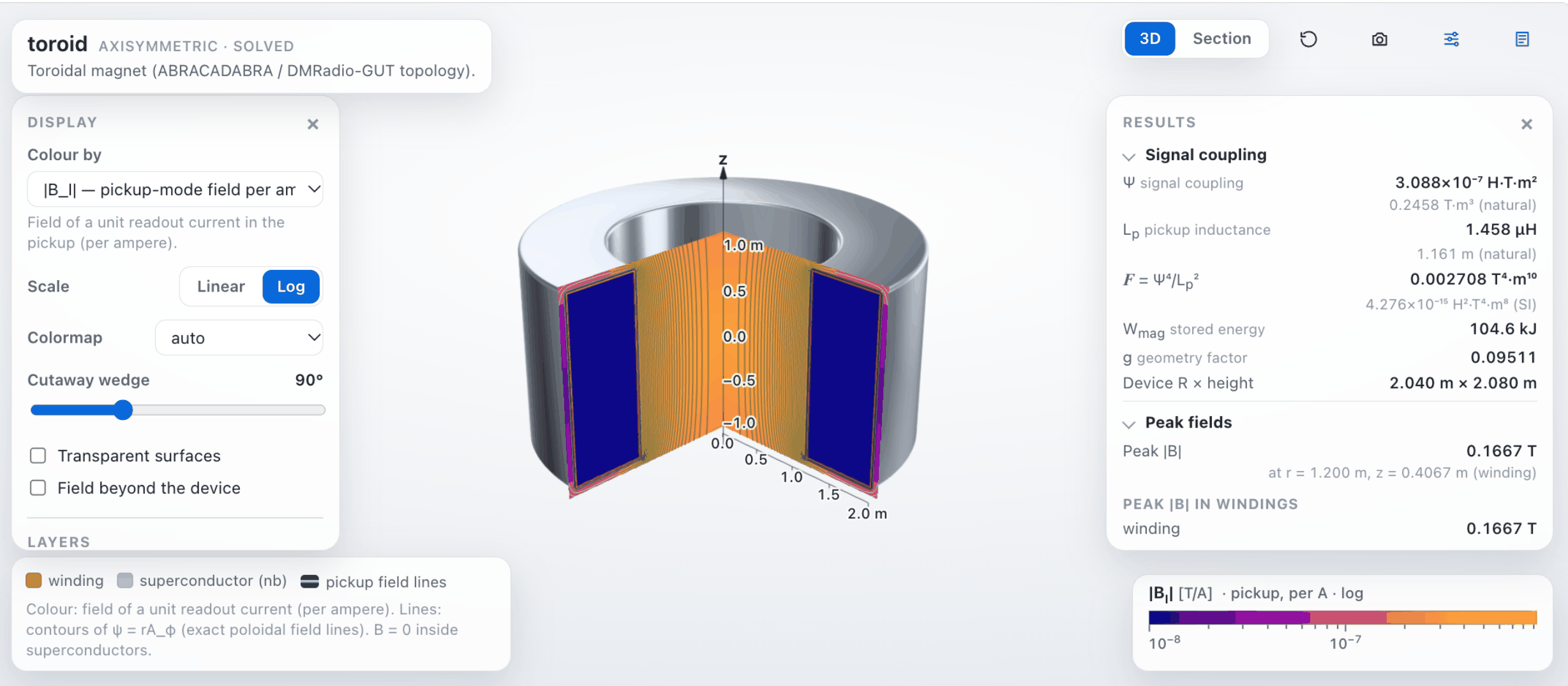
Pickup field in a toroidal detector.
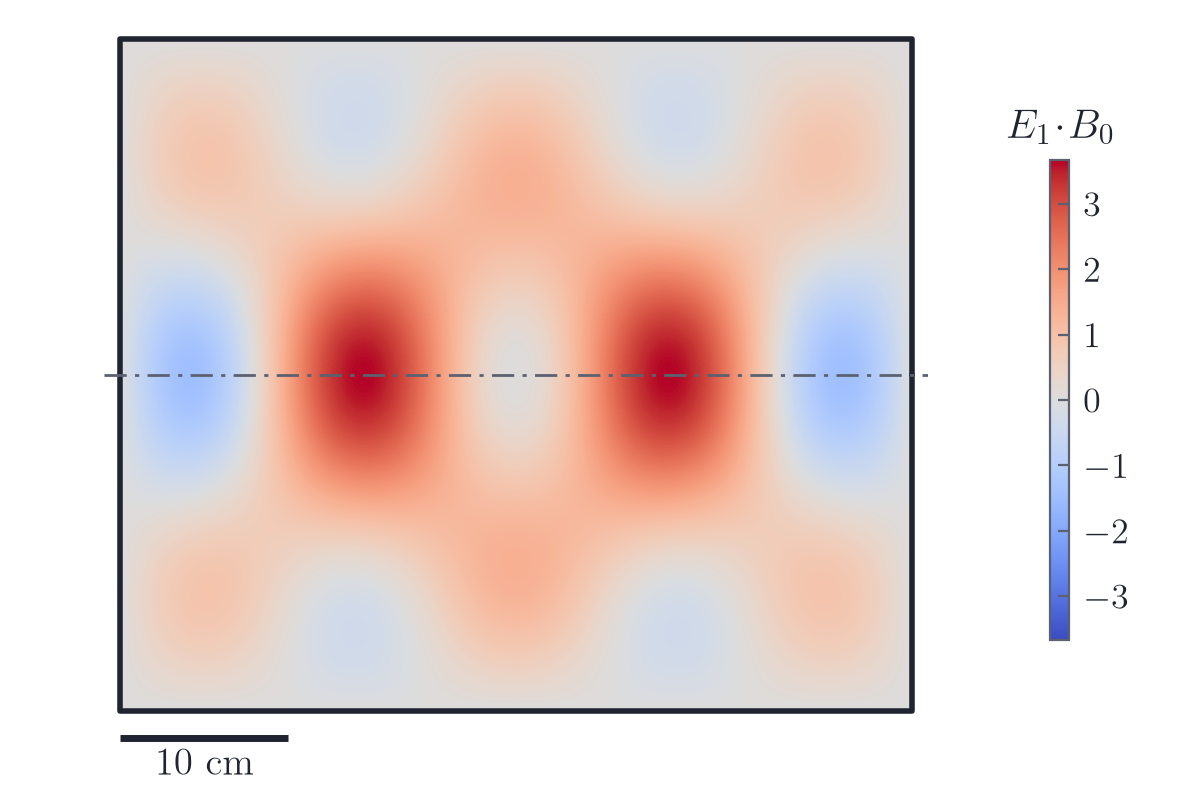
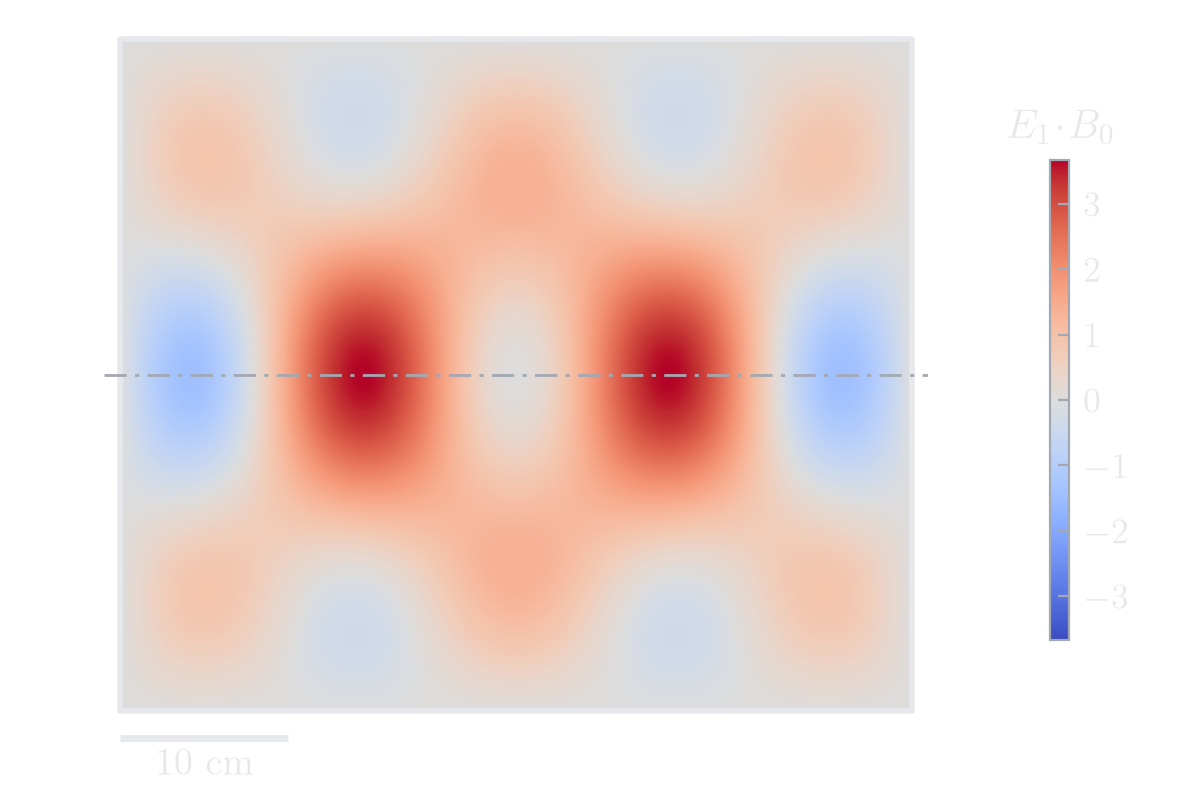
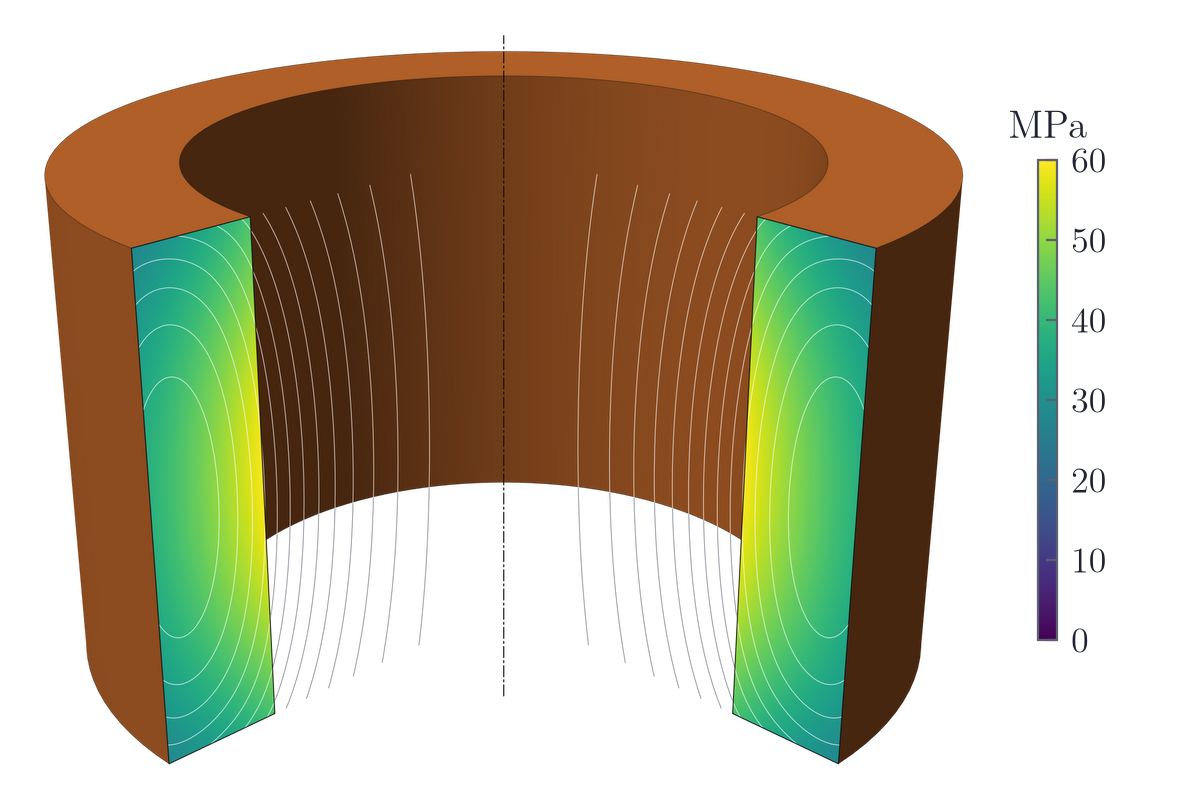
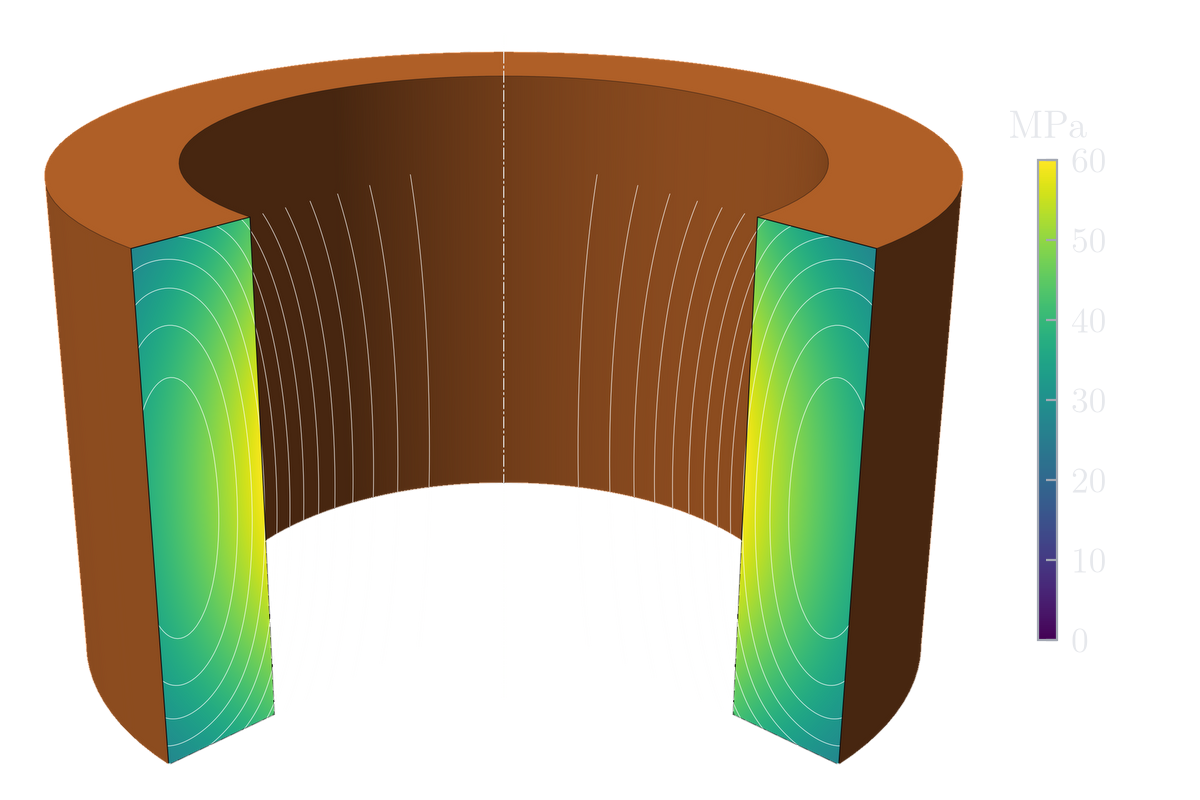
Left: overlap of the pump and signal fields in an SRF heterodyne cavity (beta). Right: von Mises stress in a solenoid winding under its own Lorentz force.
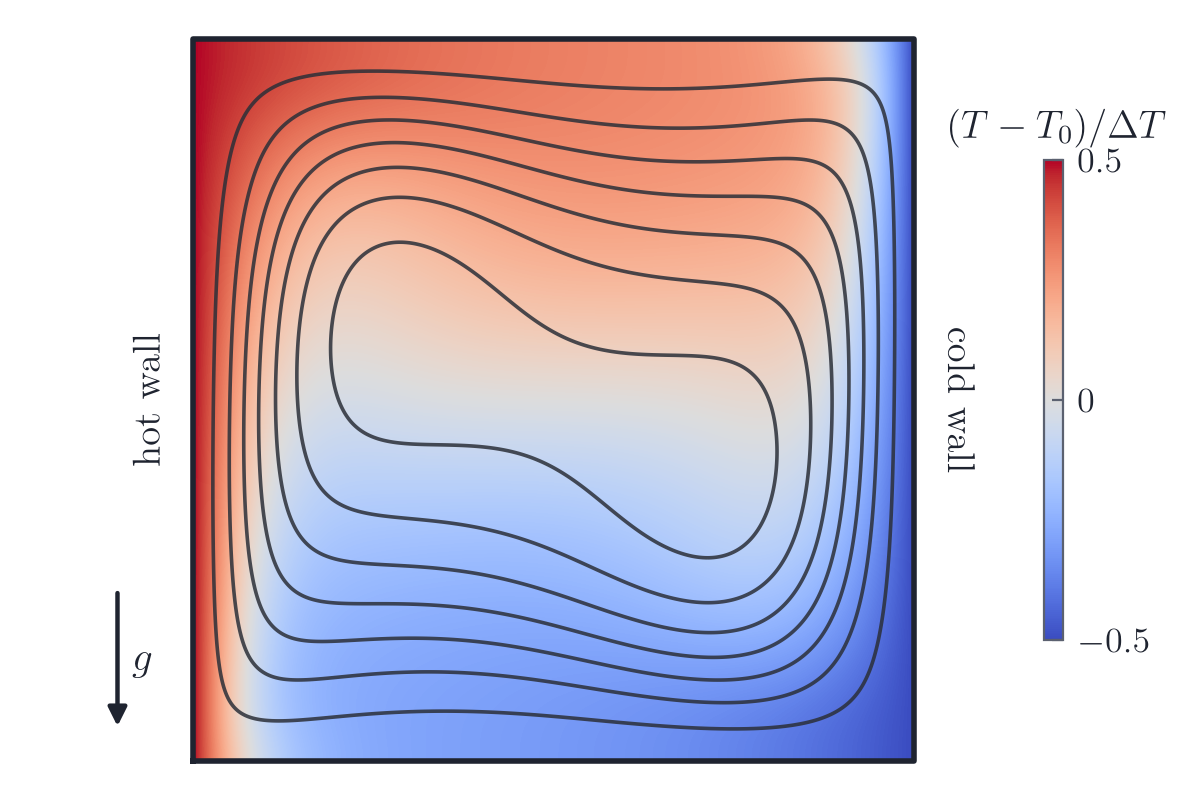
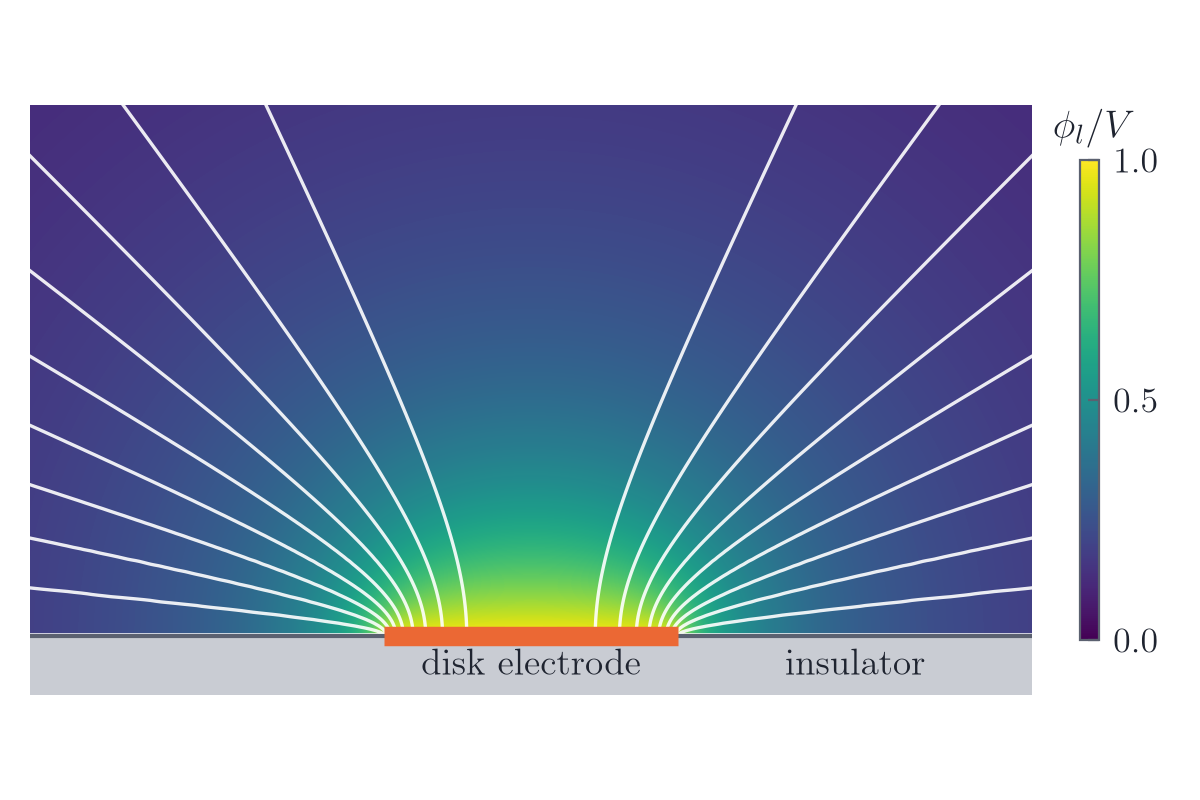
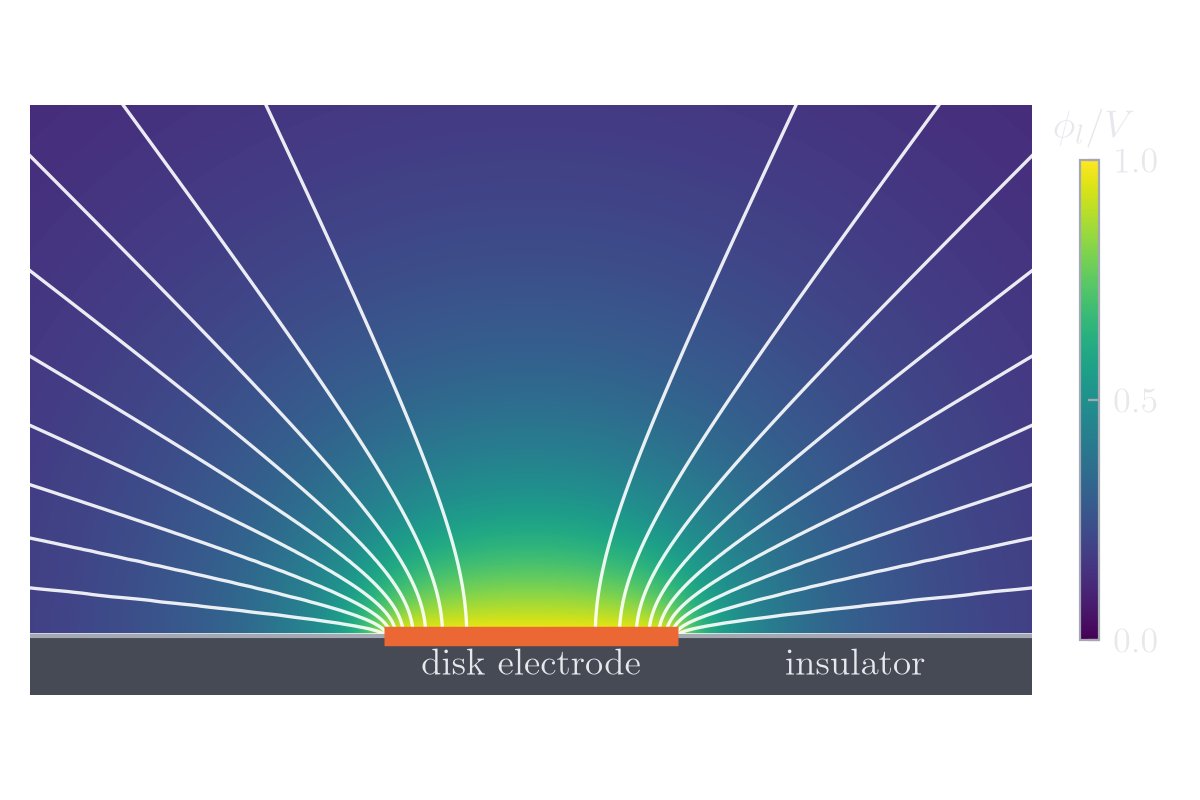
Left: natural convection in a heated square cavity at Ra = 10⁵, temperature and streamlines (beta). Right: primary current distribution on a disk electrode (beta).
Contributors: Joshua N. Benabou, Joshua W. Foster, Benjamin R. Safdi.